
BWINDI IMPENETRABLE FOREST NATIONAL PARK
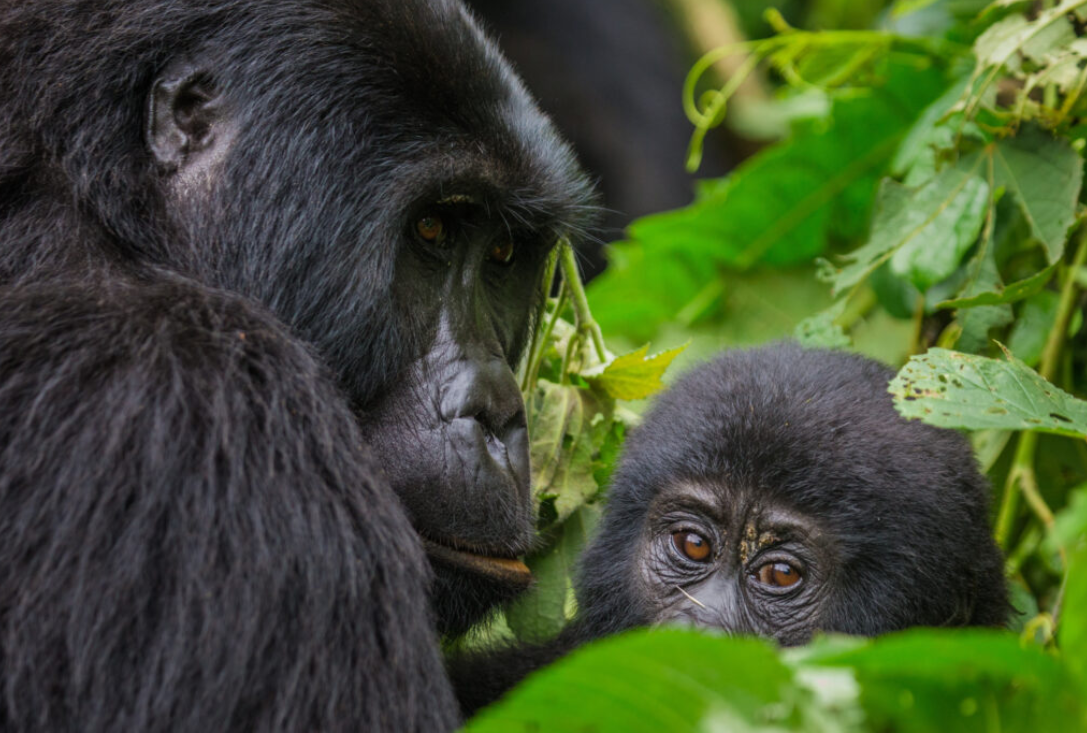
Bwindi Impenetrable Forest National Park, located in southwestern Uganda in Kanungu district, is one of Africa’s most significant protected areas. It spans approximately 321 square kilometers and is renowned for its ancient mist-covered rainforest. Importantly, the park is home to nearly half of the world’s remaining mountain gorilla population, making it one of the best places on Earth for gorilla trekking. This singular attraction draws thousands of tourists annually who seek close encounters with these majestic primates in their natural habitat.
Furthermore, the park harbors over 120 mammal species, 350 bird species, 324 plant species, and more than 220 butterfly species. Bwindi is divided into four main sectors: Buhoma, Ruhija, Rushaga, and Nkuringo. In addition, each sector offers unique gorilla families and different trekking experiences, providing unforgettable opportunities for visitors. Ultimately, Bwindi Impenetrable Forest National Park stands out not only for its ecological and biological importance but also for the unique experiences it offers nature enthusiasts and adventure seekers alike.
Activities in this Park
- Gorilla Trekking
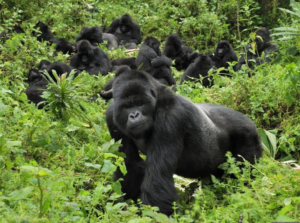
Gorilla trekking is the park’s most iconic activity, attracting visitors from all over the world. First, the experience begins with a briefing, which prepares groups of up to eight trekkers on safety and respectful gorilla viewing practices. Then, trekkers follow expert guides through steep, densely forested terrain, tracking gorilla families. Upon finding a group, visitors observe them for up to one hour as they feed, play, groom, and interact. Ultimately, the trek combines physical challenge with emotional reward, making it a truly unforgettable adventure.
- Nature Walks
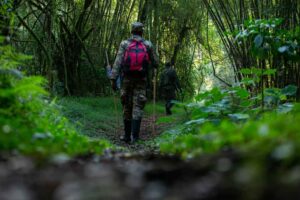
In addition to gorilla trekking, guided nature walks allow visitors to explore Bwindi’s dense rainforest at a relaxed pace. Trails such as the Munyaga River Trail pass waterfalls, mossy rocks, and towering trees. Along the way, hikers may encounter black-and-white colobus monkeys, forest duikers, tree ferns, and numerous birds. Moreover, trained guides provide insight into the forest’s medicinal plants, rare species, and delicate ecological balance. Many trails also lead to quiet viewpoints where visitors can pause, reflect, and take photos.
- Bird Watching
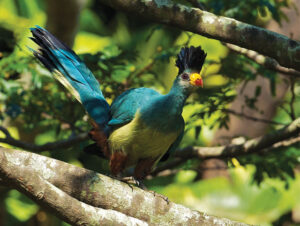
Bwindi is a top birding destination with over 350 species, including 23 Albertine Rift endemics. Notably, each of the four sectors offers excellent birding opportunities along unique trails and habitats. Visitors may spot species such as strange weaver, black-billed turaco, Rwenzori nightjar, purple-breasted sunbird, and dusky twinspot. For the best experience, early morning walks are ideal since birds are most active in cooler hours. Overall, birding in Bwindi rewards enthusiasts with an abundance of calls, colors, and flight patterns.
- Batwa Cultural Experience
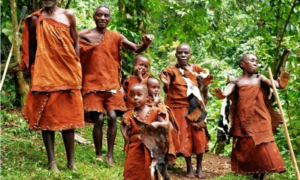
Visitors can also engage with the Batwa community, gaining insight into local cultural heritage. During this guided experience, elders showcase forest homes, traditional hunting techniques, fire-making, storytelling, and spiritual rituals. Additionally, music and dance performances illustrate their unique identity and connection to nature. Overall, this cultural encounter is educational, enriching, and supports the preservation of Batwa traditions.
How to get there
By Road:
Bwindi can be accessed by road, with a journey of about 7–8 hours from Kampala via Kabale, Ntungamo, or Rukungiri, depending on the sector being visited. From Queen Elizabeth National Park, the northern Buhoma sector is only 3–5 hours away, making it a convenient route for combined safaris.
By Air:
Alternatively, visitors can fly from Entebbe or Kajjansi to Kihihi Airstrip for Buhoma and Ruhija or to Kisoro Airstrip for Rushaga and Nkuringo, with flights taking about 1 hour 15 minutes, followed by short road transfers.