EXPLORE NAIROBI NATIONAL PARK
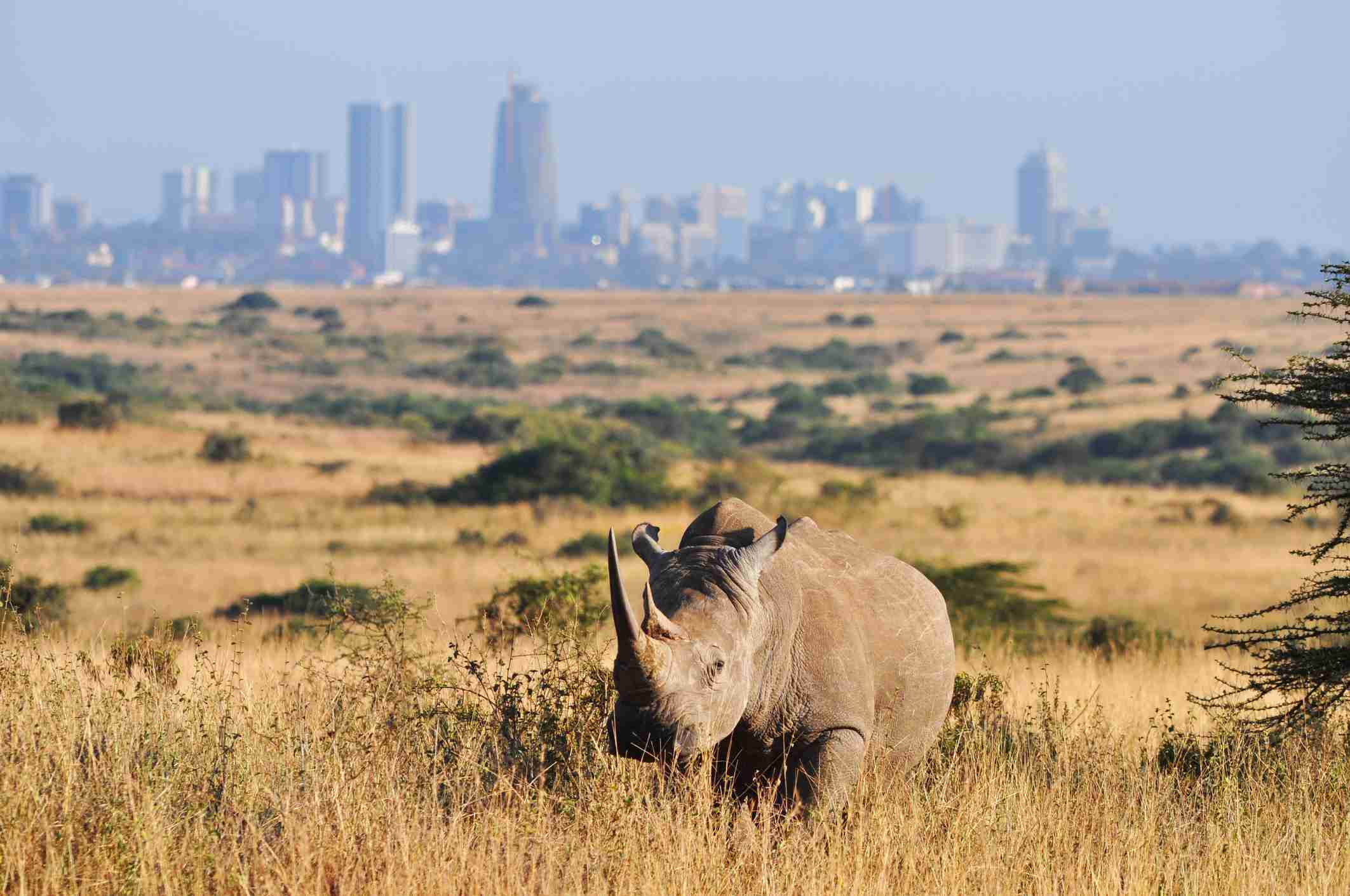
Nairobi National Park, established in 1946, holds the unique distinction of being the world’s only wildlife park located within a capital city. Spanning approximately 177 square kilometers, the park lies just a short drive from the busy center of Nairobi, making it easily accessible for both residents and tourists. One of its most remarkable features is the stunning skyline that contrasts the park’s natural savannah and wetlands with the modern buildings of the city. This striking contrast highlights the park’s important role as a wildlife sanctuary where animals can survive despite rapid urban development.
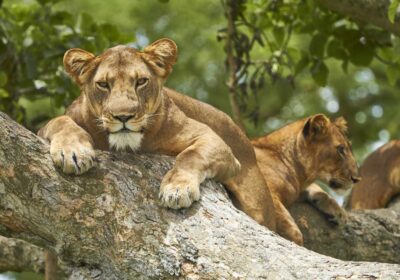
The park is home to a wide variety of wildlife including lions, leopards, giraffes, and many other species, as well as over 400 bird species. As a result, visitors enjoy excellent opportunities for wildlife viewing and photography. In addition, the park plays a vital role in conservation by protecting endangered animals such as the black rhino. Therefore, Nairobi National Park remains one of Kenya’s most important conservation areas while offering a unique safari experience near a major city.
Activities in Nairobi National Park
- Game drives
These basically provide opportunities to spot lions, buffaloes, zebras, rhinos, giraffes, etc while enjoying Kenya’s natural beauty. Morning and evening drives are the most rewarding as animals tend to be active and easier to find in cooler conditions. Guided or self-drive options are available giving visitors a flexible way to enjoy the park’s wildlife diversity.
- Bird watching
Nairobi National Park offers excellent bird watching opportunities with over 450 bird species recorded. In fact, the park’s diverse habitats including grasslands, forests and wetlands attract a wide variety of birds. For instance Kori bustards, African crowned Eagles, fox kestrels, African fish eagles, grey crowned cranes, bush shrikes, goliath herons, etc. Therefore, the park’s proximity to the city makes it an ideal destination for birders, offering a chance to spot a wide range of species in a relatively short visit.

- Nairobi Animal Orphanage

- Visiting Ivory burning site monument
Another highlight is the Ivory Burning Site, where President Moi burned 12 tons of ivory in 1989 to condemn elephant poaching. Today, this historic location features a monument and signs explaining the global impact of Kenya’s wildlife protection efforts. It’s a quiet reflective stop often included during educational tours or conservation-focused park visits.

- Nairobi Safari Walk
The Nairobi Safari Walk offers a unique chance to explore Kenyan wildlife on foot. This raised wooden boardwalk winds through wetlands, savannah and forest habitats showcasing animals in natural-style enclosures. Additionally, visitors encounter species like leopards, hyenas, lions, zebras, white rhinos, lions, hyenas, etc at close but safe viewing distances. Informative displays and guides explain animal behavior, conservation efforts and Kenya’s diverse ecosystems in an interactive, family-friendly way. Though short, the walk feels immersive and is perfect for school groups, first-time safari visitors or anyone short on time.

By Road:
Nairobi National Park is easily accessible by road, just a short 10-minute drive from the city center or airport.
By Air:
Although the park has no airstrip, visitors can fly into Jomo Kenyatta International Airport or Wilson Airport, both nearby. From either airport, it takes about 15–20 minutes by road to reach the park’s main entrance.
When to visit this Park
Nairobi National Park can be visited any time of the year, but the dry season from June to October is most ideal. During these months, the vegetation is low and animals like rhinos, lions and buffaloes are easier to see. Moreover, water sources shrink, concentrating wildlife around dams and rivers, making game viewing more rewarding. From November to April, bird watching is excellent due to migratory birds, making this season perfect for nature enthusiasts. Although the wet season may bring muddy trails, the park remains open and continues to offer diverse wildlife experiences.