



NYUNGWE FOREST NATIONAL PARK

Nyungwe Forest National Park, located in southwestern Rwanda, is one of Africa’s oldest and most biologically rich rainforests. Spanning over 1,019 square kilometers, it is home to a vast array of plant and animal species, many of which are found nowhere else on the continent. Because of its remarkable biodiversity, the park has become a key destination for conservation efforts and eco-tourism.
In addition to its ecological importance, the park offers visitors a wide range of exciting activities. For example, Nyungwe is famous for its chimpanzee trekking experiences, where visitors can observe primates in their natural habitat. Besides chimpanzees, the forest is home to several other primate species and many different mammals, making wildlife viewing both diverse and rewarding.
Moreover, its extensive network of hiking trails and the iconic canopy walkway provide unforgettable opportunities to explore the forest from both the ground and the treetops. As a result, Nyungwe Forest National Park not only protects critical habitats but also contributes significantly to Rwanda’s tourism and local communities. Its combination of natural beauty, rich wildlife, and sustainable tourism practices makes it a must-visit destination for tourists and nature lovers alike.
Activities in the Park
- Chimpanzee Tracking
To begin with, chimpanzee tracking is Nyungwe’s top activity, attracting visitors who are eager to see primates in the wild. The forest hosts about 500 chimpanzees, with habituated groups that can be tracked daily alongside expert, licensed park guides. Tracking begins early, around 5:00 AM, when chimpanzees are vocal and easier to locate within the dense forest. Along the trail, guides help identify nests, footprints and chimp calls leading you closer to the active chimpanzee group.
Once located, visitors observe them for up to one hour as they feed, groom, play and communicate in trees. Additionally, the experience reveals chimpanzees’ close resemblance to humans in emotion, behavior and group bonding patterns. The trek involves uneven paths and slopes, so a good level of fitness and proper hiking gear is essential. In summary, chimpanzee tracking offers an unforgettable encounter with nature’s closest relatives in one of Africa’s oldest rainforests.

- Forest canopy walk
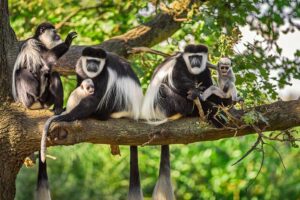
Nyungwe hosts more than 13 primate species, making monkey tracking another popular activity for visitors. The Angolan colobus monkeys, known for their striking black-and-white fur, often live in large groups high in the forest canopy. Visitors may also spot other species such as L’Hoest’s monkeys, blue monkeys, silver monkeys, grey-cheeked mangabeys, and red-tailed monkeys.
Guided tours usually start early and follow established forest paths suitable for most fitness levels. Experienced guides help locate the monkeys and explain their behaviors, habitats, and social structures. Compared to chimpanzee tracking, monkey tracking is generally less demanding physically. As a result, it offers a relaxed yet rewarding wildlife experience for visitors of all ages.

- Colobus monkey tracking
Nyungwe hosts over 13 primate species making monkey tracking a popular and exciting activity for visitors. The Angolan colobus monkeys, with striking black-and-white fur, live in large groups visible high in the forest canopy. Additionally, you might also spot the L’Hoest’s monkeys, blue monkeys, silver monkeys, golden monkeys, grey-cheeked mangabey, red-tailed monkeys etc.
Guided tours start early, following established paths suitable for most fitness levels, making it great for families too. Furthermore, experienced guides help spot monkeys while explaining their behaviors, habitats and social interactions in detail. Unlike chimpanzee tracking, monkey tracking is less strenuous allowing casual hikers to enjoy a rewarding wildlife experience. In summary, monkey tracking offers an educational fun way to observe primates in their natural forest home.
- Hiking
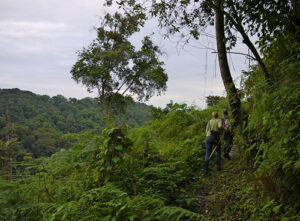
Nyungwe offers more than 13 hiking trails that allow visitors to explore the forest’s remarkable biodiversity. The trails vary in difficulty, from gentle walks such as the Igishigishigi Trail to more challenging routes like the Bigugu Trail. Along the way, hikers may encounter waterfalls, butterflies, unique plant species, birds, primates, and other wildlife.
In addition, knowledgeable guides help interpret the forest environment by explaining its ecology and identifying plants and animals along the trails. Shorter trails are perfect for beginners, while longer hikes attract adventurous travelers seeking deeper forest exploration. Overall, hiking in Nyungwe is a refreshing way to experience nature while enjoying scenic landscapes and fresh mountain air.
- Bird Watching
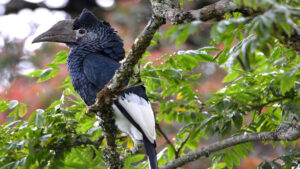
Nyungwe is also a premier birding destination, hosting over 300 bird species including 29 Albertine Rift endemics. Bird lovers may spot rare species such as the great blue turaco, regal sunbird, strange weaver, and black saw-wing. Early morning bird walks are usually the most productive because birds are more active during this time.
Unlike hiking, bird watching allows for a slower and more relaxed pace. Visitors can listen carefully to bird calls, observe unique behaviors, and take photographs. With the help of experienced guides, birders can identify species and explore habitats such as swamps, bamboo forests, and montane areas. Altogether, bird watching in Nyungwe is a peaceful and enriching experience.
How to get there
By Road
To reach Nyungwe Forest National Park by road from Kigali, travel approximately 220–225 km southwest, which takes 4 to 6 hours without many stops. Typically, drivers follow a route via Huye (formerly Butare) through Nyamagabe, where a right turn leads to the park entrance near Uwinka.
By Air
On the other hand, travelers who prefer speed and comfort can reach Nyungwe by air. Visitors can fly from Kigali International Airport to Kamembe Airport, which is near the town of Cyangugu. Once you land, it takes about one hour by car to reach Nyungwe Forest from Kamembe Airport. Furthermore, some luxury lodges may offer chartered helicopter flights that land closer to the park’s main reception centers.
When to visit this Park
Nyungwe Forest National Park can be visited throughout the year, but some seasons offer better weather and visibility conditions. Typically, the dry seasons from June to September and December to February are ideal for hiking and primate trekking activities. During this time, the trails are less slippery, forest views are clearer and wildlife sightings are much more frequent.
On the contrary, the rainy seasons especially from March to May can make forest paths muddy and slightly more difficult to navigate. However, the wet season is excellent for birdwatchers, as migratory birds arrive and the forest appears especially lush and vibrant. In summary, your best time to visit depends on your interest clear trails for hiking or rich greenery for photography and birding.


