QUEEN ELIZABETH NATIONAL PARK
Located in the southwestern Uganda in Kasese district, Queen Elizabeth National Park is one of the most popular and diverse protected areas in East Africa. This Park was originally named Kazinga National Park in 1952 and later after two years it was renamed Queen Elizabeth National Park in honor of a visit by Queen Elizabeth II. Notably, the park covers approximately 1,978 square kilometers and lies between Lake George and Lake Edward, connected by the Kazinga Channel.
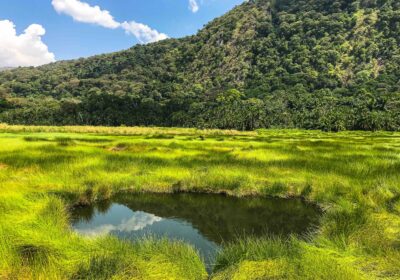
The Park features a rich variety of ecosystems, including savannas, wetlands, crater lakes, forests and volcanic cones. It is home to over 95 mammal species such as the tree-climbing lions found in the Ishasha sector, elephants, buffaloes, leopards, hippos etc. Additionally, the park boasts more than 600 species of birds like saddle billed stork, African skimmer, red chested sunbird, black bee-eater etc.
Furthermore, the park offers a range of activities for tourists including game drives, boat cruises on the Kazinga Channel, chimpanzee tracking in the Kyambura Gorge among others. These activities not only provide unforgettable experiences but also promote conservation and community development. In conclusion, Queen Elizabeth National Park stands out as a breathtaking destination that combines natural beauty, ecological diversity and rich cultural heritage. As one of Uganda’s leading conservation areas, it continues to attract visitors from around the world, making a significant impact on both the environment and the economy.
Activities in Queen Elizabeth National Park
- Game Drives
To start your adventure, game drives offer an exciting way to explore diverse landscapes and view abundant wildlife species. Guided by rangers, you may see elephants, buffaloes, lions, leopards, hyenas, antelopes, warthogs among others across open plains. Note that, these drives mostly occur in the Kasenyi plains, Ishasha sector and Mweya peninsular each offering unique habitats and viewing opportunities. Therefore, game drives provide thrilling encounters and lasting memories of Africa’s majestic wildlife in natural surroundings.
- Launch Cruise
A boat cruise along the Kazinga Channel gives close-up views of hippos, crocodiles, buffaloes and countless bird species. This channel connects Lake Edward and Lake George, drawing many animals to its shores especially during hot afternoons. While cruising, you can take excellent photos of wildlife interacting peacefully along the water’s edge or basking in the sun. The slow-paced boat ride is relaxing, educational and ideal for observing aquatic life in a safe and scenic setting. Actually, it is one of the park’s most rewarding and tranquil wildlife-viewing experiences available to visitors.

- Bird Watching
The Park is a birding haven, hosting over 600 species including fish eagles, flamingos, warblers, Turacos, cuckoos, red chested sunbirds etc. Popular birding areas include crater lakes, marshlands and forest edges, each teeming with vibrant and rare birdlife. With a pair of binoculars and an expert guide, birders can enjoy sightings nearly every moment of the day. Most importantly, early mornings and late evenings are the best times for seeing the most active and vocal bird species. Overall, bird watching here offers a rich and fulfilling experience for beginners and seasoned birders alike.

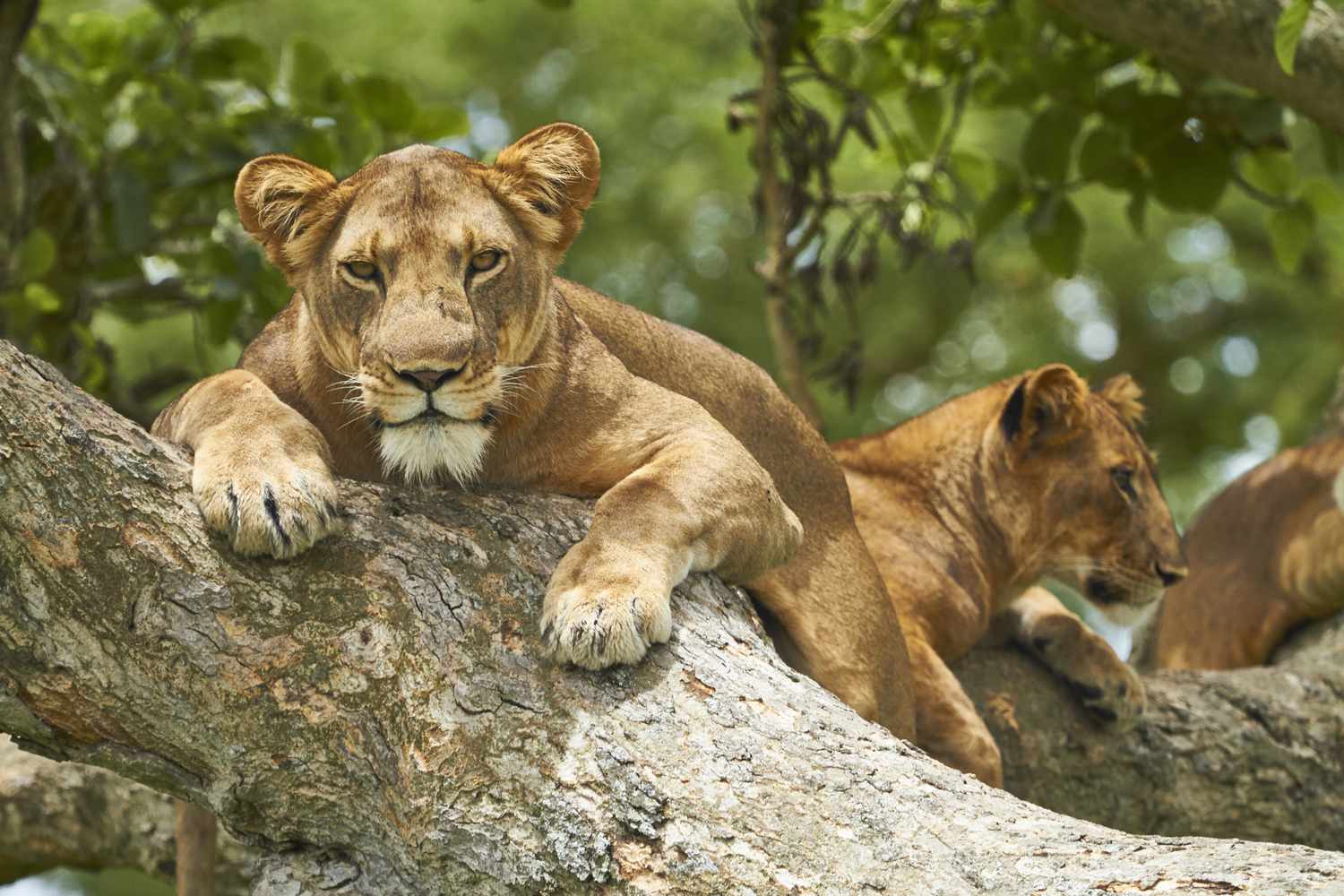
Queen Elizabeth National Park is one of the few places in the world where lions climb trees regularly. In addition, these unique lions are often found lounging in fig or acacia trees especially during the hottest parts of the day. Visitors usually find them in the Ishasha sector where sightings are frequent and photo opportunities are excellent. Park guides help identify good viewing spots, explaining lion behavior and how these lions differ from other lion populations. In summary, seeing tree-climbing lions is a rare and unforgettable experience that adds a special highlight to your safari.

- Chimpanzee Tracking
In contrast to savannah tours, chimp tracking in Kyambura Gorge immerses you in a lush and narrow forested valley. Guides help track chimp calls and signs, leading small groups into dense vegetation to locate habituated chimpanzee families. Besides chimps, the gorge hosts monkeys, forest birds and butterflies, adding depth to this extraordinary jungle experience. Tracking is moderately challenging but rewarding, often yielding one-hour observations of chimps feeding, grooming, playing etc. In short, it’s a perfect adventure for nature lovers seeking both excitement and close contact with intelligent primates.

- Lake Katwe Salt Mine Tour
For a cultural touch, a visit to Lake Katwe reveals how salt is harvested using traditional methods passed through generations. During the tour, guides explain evaporation processes, salt types and the lake’s history in Uganda’s regional salt trade. You’ll see locals working in salt pans and learn about their challenges, practices and community roles tied to the industry. Though not wildlife-focused, this visit adds valuable insight into local livelihoods and unique volcanic lake ecosystems. Altogether, it blends science, history, and culture in one eye-opening and interactive outdoor experience.

- Maramagambo Forest Nature Walks
Guided nature walks through Maramagambo Forest introduces you to primates, birds, caves and ancient forest ecology. While exploring, you might spot vervet monkeys, butterflies, red tailed monkeys, reptiles, bush babies, chimpanzees among others. You will also visit the bat cave, home to thousands of bats and a resident python that preys on them. Furthermore, paths lead to natural features like crater lakes and hot springs, all explained in detail by knowledgeable park guides. These slow-paced walks allow for deeper appreciation of biodiversity often missed during faster vehicle-based safaris. In conclusion, the forest walks offer peaceful moments and up-close connections with the park’s quieter, lesser-seen wildlife areas.

- Cultural Encounters
Finally, cultural visits let you engage directly with nearby communities through music, storytelling, dance and hands-on activities. Groups like the Kikorongo Women’s Group showcase jewelry-making, basket weaving and performances celebrating traditional customs. In addition, you may also tour farms, homesteads and local markets as you dig into the community’s lifestyles and daily routines. Overall, these experiences enrich your journey with human stories and cultural depth beyond wildlife viewing alone.
How to Get There
By Road:
Reaching Queen Elizabeth by road from Kampala takes 7–8 hours, with routes passing through Mbarara or Fort Portal before connecting to Kasese.
By Air:
For a quicker journey, flights from Entebbe or Kajjansi land at Kasese, Mweya, or Ishasha airstrips in just over an hour, placing visitors close to the park’s diverse attractions.