SERENGETI NATIONAL PARK

Located in north western Tanzania, Serengeti National Park is Africa’s most iconic and expansive safari destination, stretching across 14,763 square kilometers. It is globally renowned for hosting the Great Migration, where over two million wildebeest and zebras move in massive herds seasonally. Additionally, this vast savannah supports diverse habitats, including open plains, riverine forests, kopjes, and acacia woodlands full of unique wildlife.
The Park also forms part of the larger Serengeti ecosystem which stretches into Kenya as the Maasai Mara National Reserve. As a result, it supports a spectacular array of predators, grazers, birds, reptiles and insects in a balanced and thriving environment. Visitors are drawn not only by the wildlife but also by the landscape’s sweeping beauty, tranquility and raw natural charm. With all this combined, Serengeti delivers an unforgettable African experience filled with adventure, learning, relaxation and world-class wildlife encounters.
Activities in Serengeti National Park
- Game drives
Game drives are the most popular here, offering guests unforgettable wildlife sightings in both open plains and wooded areas. In particular, early morning and evening drives increase chances of spotting lions, leopards, hyenas, cheetahs, wildebeests, elephants, giraffes, zebras, etc. Vehicles traverse different ecosystems, from river valleys to short-grass plains, enhancing opportunities to encounter a wide range of animals. Here, knowledgeable guides interpret animal behavior, track movements and provide in-depth explanations of Serengeti’s dynamic ecosystem. Night drives are permitted in some private conservancies, offering chances to see nocturnal species like civets and bush babies.

- Hot air balloon rides
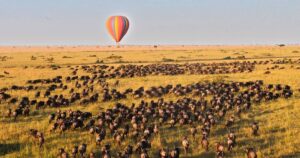
Hot air balloon rides provide a peaceful, elevated view of the Serengeti at dawn, when animals are most active and visible. From above, you’ll float over herds of wildebeest, giraffes, and elephants while enjoying panoramic views of the vast horizon. The flight typically lasts around one hour, ending with a bush-style champagne breakfast near the landing site for a special touch. Unlike game drives, balloon safaris cover a wider area in less time, offering a different and unique safari perspective overall.
- Cultural encounters
Cultural encounters in Serengeti National Park, offer meaningful insight into the traditional lives of the Maasai people and their traditions. Occasionally, park-approved Maasai bomas within the park boundaries allow guests to interact with locals and learn about their heritage. During the visits, travelers observe traditional homes, ceremonies, livestock practices and beadwork while engaging directly with Maasai community members. As a result, these encounters deepen travelers’ understanding of how local culture and conservation efforts coexist in protected wildlife areas. Overall, they enrich the safari experience by connecting visitors with the human history and living traditions surrounding the Serengeti ecosystem.

- Bird Watching
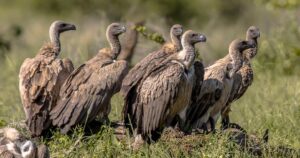
Bird watching here is a rewarding activity, offering sightings of over 500 vibrant and fascinating bird species. In particular, the park is home to species like the yellow-billed storks, hammerkops, Maasai ostrich, African fish eagles among others. Throughout the year, birders can explore riverbanks, woodlands and grasslands to spot resident and migratory birds in their natural habitats. Especially during the wet season, migratory species arrive in large numbers making this a prime time for serious bird enthusiasts. Additionally, many safari guides are trained to help identify birds by sound, color and behavioral patterns. As a result, bird watching enhances the overall Serengeti experience by revealing the park’s rich and often overlooked avian diversity.
How to get there
By Road:
You can reach Serengeti National Park by car from Arusha, a town in northern Tanzania. Usually, the drive takes about 6 to 8 hours, depending on road conditions, traffic and weather. Along the way, most people pass through the Ngorongoro Conservation Area, which is also a beautiful place to explore.
By Air:
Alternatively, you can fly to Serengeti from Arusha, Kilimanjaro or Zanzibar using small safari planes. Typically, the flight takes around 1 to 2 hours, depending on the airstrip closest to your lodge.
When to visit this Park
Fortunately, Serengeti is a year-round destination with excellent wildlife viewing opportunities during both dry and wet seasons. The dry season runs from June to October, offering the best visibility whereby animals congregate around waterholes and open plains. During this time, predators are more active, and the chance to see the Great Migration crossing rivers is very high. From November to May, the park becomes lush and green, supporting calving season and attracting thousands of colorful migratory birds. Depending on your interests, you can choose to see river crossings, calving events or predator action throughout the year.