MOUNT KILIMANJARO NATIONAL PARK

Mount Kilimanjaro National Park, located in northeastern Tanzania, is a stunning UNESCO World Heritage Site and an iconic destination. Indeed, the park is home to the majestic Mount Kilimanjaro, the highest peak in Africa at 5,895 meters. Moreover, visitors can explore diverse ecosystems ranging from lush rain-forests to alpine deserts, which support a wide array of unique flora and fauna. Established in 1973, the park covers about 1,688 square kilometers, providing a vast natural habitat across distinct climate zones.
In addition, Mount Kilimanjaro holds great cultural significance for the local Chagga communities, making it not only a destination but also a spiritual and historical symbol. Furthermore, the park’s ecological diversity supports abundant wildlife, birds, and plant life. Overall, Mount Kilimanjaro National Park offers a rare blend of extreme altitude, scenic beauty, and cultural richness, therefore creating a truly unforgettable experience.
Activities done while here
Hiking to Uhuru Peak
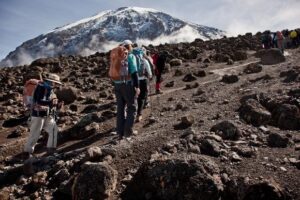
Hiking to Uhuru Peak is the park’s most iconic adventure, drawing thousands of climbers from around the world each year. As you ascend, you pass through five unique climate zones, each offering new scenery, challenges and rewarding photo opportunities. Eventually, reaching Uhuru Peak at 5,895 meters offers a once-in-a-lifetime view from the highest point in Africa. Although demanding, the experience is unforgettable thereby blending physical effort, natural beauty and a strong sense of personal achievement.
Animal viewing
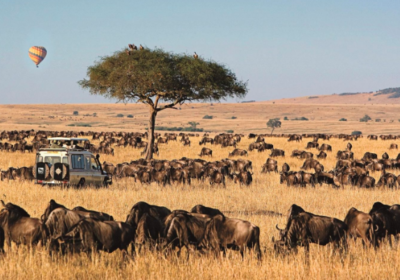
While not a traditional safari park, Kilimanjaro’s lower slopes host a variety of wildlife adapted to the forest environment. For example, visitors may encounter elephants, bushbucks, leopards, mongooses, duikers, hyenas, etc, especially during early morning or evening walks. Because of dense vegetation, sightings can be brief but guided nature walks offer better chances of spotting shy or hidden animals. Moreover, these wildlife moments add depth to the mountain experience, showcasing Kilimanjaro’s diverse natural habitats beyond just hiking.

Visiting the Chala Crater Lake
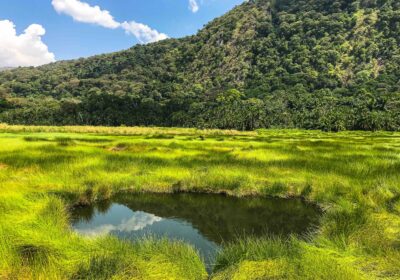
Chala Crater Lake, located on Kilimanjaro’s southeastern slope, is a serene volcanic lake surrounded by steep crater walls. This peaceful spot is perfect for relaxation, bird watching, photography and hearing local legends about its mysterious underwater tunnels. Furthermore, visitors can hike along the crater rim for spectacular panoramic views of the lake and surrounding highlands. Because of its beauty, Chala Lake is an ideal side trip for those not attempting the mountain’s summit.

Bird watching
Kilimanjaro is home to hundreds of bird species, especially in the lush rainforest zones near the base of the mountain. As you explore, you might spot colorful species like Hartlaub’s turaco, malachite sunbird, African pygmy kingfisher, trumpeter hornbill, among others. In addition, the forest canopy is alive with calls and fluttering wings, making birding both peaceful and exciting. Whether in dry or wet season, bird lovers can always enjoy rewarding sightings across the park’s different altitude zones.

Primate trekking
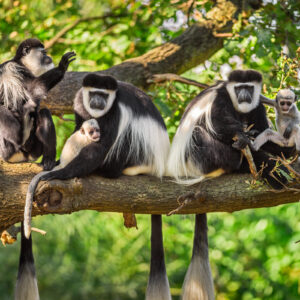
This is a unique activity where visitors walk through the forest to observe monkeys and other forest creatures. With the help of a guide, you can see black-and-white colobus, blue monkeys, Bushbabies olive baboons, etc. During the trek, you’ll enjoy them forage, groom or leap from tree to tree through the thick vegetation. Altogether, this experience gives insight into Kilimanjaro’s wildlife and adds a fun twist to the usual mountain visit.
How to get there
By Road:
Mount Kilimanjaro National Park is located near Moshi town, about 80 kilometers from Kilimanjaro International Airport. From Arusha, the drive takes around 2-3 hours, offering scenic views of local towns and green landscapes. Most visitors travel by road to the Marangu Gate or other park entrances, depending on the climbing route they choose.
By Air:
Alternatively, travelers can fly into Kilimanjaro International Airport, which is the closest airport to the national park. From the airport, it takes about an hour to reach the park by vehicle, depending on your entry point. This option is the fastest and most convenient for international tourists coming to climb or visit the mountain.
When to visit
Mount Kilimanjaro National Park can be visited year-round, but some months offer better weather for climbing and outdoor activities. For instance, the best time to visit is during the dry seasons, which run from January to mid-March and June to October. During these months, the skies are usually clear, trails are less muddy and the chances of reaching the summit are higher.
On the other hand, the long rains in March to May and short rains in November make hiking more difficult and slippery. However, if you prefer quiet trails and lush scenery, the rainy seasons still offer a peaceful and scenic experience. Overall, plan your visit based on your goals whether it’s great views, comfortable hiking or fewer fellow climbers.