NGORONGORO CONSERVATION AREA
Ngorongoro Conservation Area is a UNESCO World Heritage Site located in northern Tanzania, just west of Arusha and Serengeti. Unlike many other protected areas, Ngorongoro combines wildlife, dramatic landscapes, and cultural heritage in a single extraordinary destination. At its heart, the famous Ngorongoro Crater is the world’s largest unbroken volcanic caldera, teeming with diverse wildlife year-round. Additionally, the area includes vast plains, highland forests, deep gorges, and archaeological sites like Olduvai Gorge and Laetoli. What makes it unique is that it allows the coexistence of people and wildlife, including traditional Maasai communities. As a result, visitors experience both natural beauty and cultural richness, making it one of Africa’s most fascinating conservation areas.
Attractions and Activities done
- Ngorongoro Crater
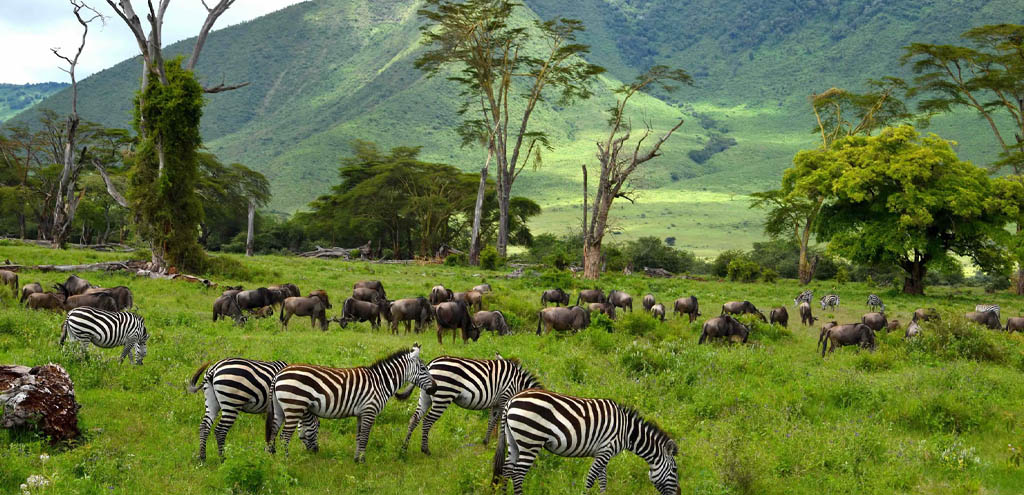
The Ngorongoro Crater is the area’s crown jewel, hosting one of the densest populations of wildlife in Africa. This collapsed volcano, 600 meters deep and 20 kilometers wide, creates a natural bowl filled with grasslands and freshwater springs. Here, visitors can spot lions, elephants, rhinos, zebras, hippos and many more species in one compact, thriving ecosystem. Since animals rarely migrate in or out, wildlife sightings are reliable year-round and ideal for first-time safari-goers. Ultimately, the crater’s beauty and biodiversity make it one of Tanzania’s most unforgettable safari experiences.

- Olduvai Museum
Visiting Olduvai Museum is a great cultural activity that complements the wildlife experiences in Ngorongoro Conservation Area. Located between Ngorongoro and Serengeti, the museum sits near Olduvai Gorge, a famous site for early human fossil discoveries. Inside the museum, you’ll see stone tools, fossil remains and learn about the Leakey family’s important archaeological research. Besides, guides explain how these discoveries revealed Africa’s vital role in the history and evolution of humankind. After exploring, guests enjoy views over the dramatic gorge landscape, which deepens the educational and visual experience of the visit. In summary, this activity offers valuable insight into human history and adds meaning to your Ngorongoro adventure.

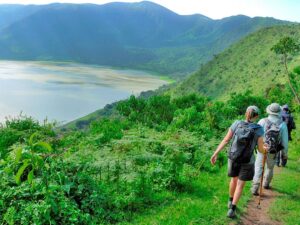
- A walk to the Rim
Taking a guided walk to the rim of Ngorongoro Crater is a peaceful and scenic alternative to game drives. Unlike vehicle safaris, walking allows you appreciate the small details like wildflowers, bird calls, and animal tracks along forested paths. Led by armed rangers, these walks provide both safety and fascinating insights into the area’s ecology, geology, and wildlife behavior. As you ascend, cool highland air, panoramic views, and occasional wildlife sightings create an unforgettable and immersive nature experience. Eventually, reaching the rim offers breathtaking views of the vast crater floor stretching below, surrounded by misty crater walls. All things considered; this activity is perfect for adventurous visitors seeking a slower, more intimate way to explore Ngorongoro.
- Wildlife viewing
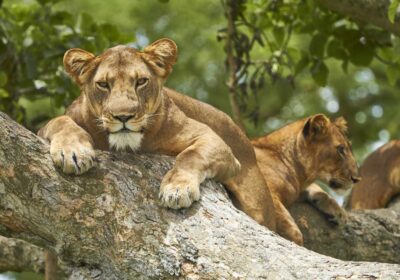
Ngorongoro Conservation Area is home to some of Africa’s densest and most diverse wildlife populations throughout the year. Most notably, the Ngorongoro Crater hosts thousands of animals, all thriving within its lush grasslands and permanent water sources. Visitors often spot the Big Five lions, elephants, buffaloes, leopards, and rhinos making it ideal for first-time safari travelers. In addition, the crater shelters zebras, wildebeests, gazelles, hyenas, hippos, and jackals living together in a balanced ecosystem. Birdwatchers enjoy flamingos, Blacksmith lapwings, Black-headed heron, grey crowned cranes, secretary birds, African spoonbills, pelicans, augur buzzards, among others. Altogether, wildlife viewing in Ngorongoro offers exciting, consistent encounters within a naturally enclosed and visually stunning safari setting.

- Bird Watching
Bird watching is a calm and rewarding activity that lets visitors connect with Ngorongoro’s rich and vibrant birdlife. Unlike big game drives, this activity focuses on spotting colorful birds in forests, wetlands, grasslands and crater lakes. With over 500 bird species, including flamingos, ostriches, eagles, lapwings, herons, eagles, etc the conservation area is a birder’s paradise. During the green season, migratory birds arrive from Europe and Asia, making the skies and treetops even more lively. In addition, guided bird walks or drives provide interesting facts and help you identify both common and rare bird species. Overall, bird watching in Ngorongoro offers quiet beauty, photography opportunities, and a deeper appreciation for the park’s biodiversity.

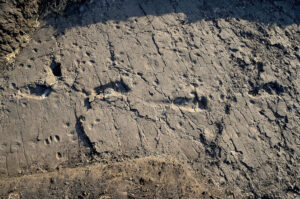
- Laetoli
Laetoli is a famous attraction where visitors learn about ancient footprints made by early human ancestors millions of years ago. Located within Ngorongoro, this site shows the earliest evidence of humans walking upright preserved in volcanic ash. Although the footprints are protected, nearby museums and guided tours explain their discovery and significance to human history. Visiting Laetoli offers a chance to connect with the origins of humanity while exploring one of Africa’s most important archaeological sites. Overall, Laetoli adds a fascinating cultural and scientific dimension to your Ngorongoro experience beyond wildlife viewing.
How to get there
By Road:
Ngorongoro is easily reached by road from Arusha, which is about 160 kilometers away and takes roughly three hours. Along the way, you’ll pass through scenic landscapes and small towns, making the drive enjoyable and culturally interesting.
By Air:
Alternatively, you can fly from Arusha or Kilimanjaro International Airport to Lake Manyara Airstrip, the closest air access point. After landing, it’s about a one-hour drive from the airstrip to the Ngorongoro Crater entrance by safari vehicle. This option is quicker and convenient for those with limited time or who prefer to avoid long road journeys.
When to visit
Ngorongoro Conservation Area is open year-round, though different seasons offer varying advantages depending on your interests and itinerary. The dry season, from June to October, is ideal for wildlife viewing as animals gather around water sources and visibility is high. In contrast, the wet season from November to May brings lush scenery, fewer crowds, and the calving season for many herbivores. If you’re visiting for the Great Migration, the Ndutu area is best from December to March when herds pass through southern plains. All things considered, Ngorongoro offers excellent experiences in any month, so your visit can be rewarding no matter the season.