DISCOVER TSAVO NATIONAL PARK

Tsavo National Park, located in south eastern Kenya is one of the largest and oldest national parks in the country covering an area of approximately 2,200 square kilometers. Established in 1948, Tsavo is divided into two sections that is Tsavo East and Tsavo West each offering unique landscapes and diverse ecosystems that showcase the beauty of the African wilderness. One of the park’s most striking features is its vastness which encompasses a variety of habitants including savannah, mountains, rivers and wetlands.
This incredible diversity supports an extensive range of wildlife making Tsavo a prime destination for nature enthusiasts. Visitors can expect to see large herds of elephants often referred to as red elephants due to the reddish soil they dust themselves with. Furthermore, they can also spot other animals like lions, cheetahs, giraffes, buffaloes, etc, as well as numerous bird species. Moreover, the park is renowned for its dramatic scenery highlighted by attractions such as Mzima springs, River Galana, Yatta plateau, Tsavo River among others. In summary, Tsavo National Park stands out for its expansive wilderness, diverse wildlife and captivating landscapes.
Activities and Attractions in Tsavo East and Tsavo West National Park
- Game Drives
The park’s vast landscapes offer thrilling game drives featuring elephants, lions, giraffes, zebras and more. Game drives cover diverse habitats open plains, hills, rivers and lava flows revealing wildlife in their natural environment. Interestingly, Tsavo is famous for its red-dust-covered elephants, often seen gathering around waterholes or roaming in large herds. Ultimately, the size and wilderness of Tsavo make every drive feel wild, remote and full of discovery.

- Bird watching
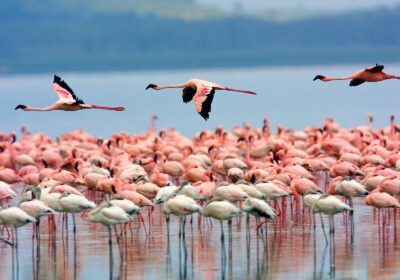
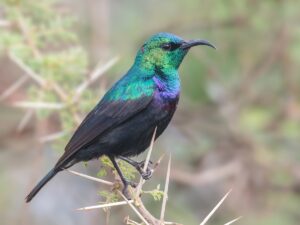
Tsavo boasts over 500 bird species, making it a top birding destination for beginners and experts alike. Common sightings include Tsavo sunbirds, golden breasted starlings, eastern yellow billed hornbills, barn swallows, common swifts, Egyptian vulture, among others. Especially during the rainy seasons, migratory birds increase and fill the park with sound and color. Therefore, bird watchers can enjoy both savannah and riverine species throughout the year across different park zones.
- Mzima Springs
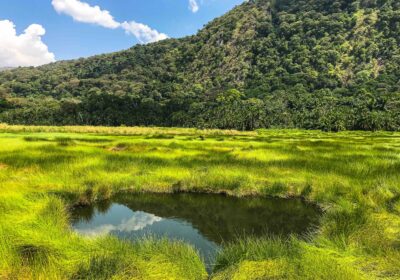
Meanwhile, Mzima Springs in Tsavo West is a lush, freshwater oasis fed by underground streams from Chyulu Hills. Clear waters allow visitors to spot hippos, crocodiles and fish from a submerged viewing chamber beside the pool. Surrounding greenery attracts monkeys and birds, offering a peaceful contrast to the surrounding dry landscapes. Consequently, Mzima Springs is one of Tsavo West’s most popular and refreshing natural attractions.

- Ngulia Rhino Sanctuary
The Ngulia Rhino Sanctuary in Tsavo West protects the endangered black rhino in a secure, natural environment. With luck and patience, visitors may spot these elusive creatures during early morning or evening drives near the sanctuary. Strict protection efforts are helping rhino numbers grow, making it a key conservation highlight within the park. Therefore, the sanctuary reflects Tsavo’s commitment to preserving rare wildlife and maintaining ecological balance.

- River Galana
As one of the most important rivers in Tsavo East, the Galana River winds across vast plains, drawing wildlife from miles around. Its waters support a wide variety of animals such as hippos, crocodiles, elephants, etc especially during dry seasons. Moreover, its scenic banks provide ideal spots for game viewing, photography and other activities. Visitors often enjoy the serene atmosphere along the river as they watch animals gather to drink, bathe and cool off. Truly, the Galana River serves as a natural magnet for wildlife and a beautiful backdrop for safari adventures.

- Yatta Plateau
Stretching over 290 kilometers, the Yatta Plateau is a geological marvel and the longest lava flow on earth. This ancient formation was created by lava from the Ol Doinyo Sabuk volcano, forming a raised ridge above the Tsavo plains. Its massive size and height offer sweeping views of Tsavo East and its surrounding landscapes, perfect for photography and sightseeing. In addition to its scenic beauty, the plateau creates a unique ecosystem where birds of prey and rare species are often spotted. Ultimately, the Yatta Plateau stands as a symbol of Tsavo’s dramatic volcanic history and raw natural power.
Lugard Falls
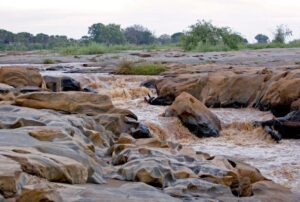
Lugard Falls, formed in the Galana River, is not a typical waterfall but rather a fascinating series of rushing rapids. The water pushes through uniquely carved volcanic rock channels, creating a striking landscape of sound, motion and color. Visitors can take short guided walks near the falls to enjoy close views of the rock formations and water flow. In addition, the area is also home to birds, crocodiles and other river species, making it ideal for bird watching and nature observation. Named after British explorer Frederick Lugard, the falls highlight the park’s diverse topography and natural beauty.
- Aruba Dam
Aruba Dam, built on the Voi River, forms a large reservoir that becomes a wildlife hotspot especially during dry months. Additionally, elephants, zebras, antelopes, rhinos, buffaloes, etc go to the dam to drink, bathe and cool off in the midday heat. With its open surroundings, visitors enjoy unobstructed views and frequent close-up wildlife encounters from the safety of their vehicles. The area is also excellent for early morning and evening photography, as the soft light reflects beautifully off the water surface. Overall, Aruba Dam is a must-visit for any safari in Tsavo East, offering peaceful, rewarding game viewing.
- Tsavo River
This river, running through Tsavo East and West, feeds into the Galana River and plays a vital role in sustaining life in the region. Its waters nourish green belts that contrast sharply with the dry savannah, attracting a range of wildlife including leopards, giraffes, hippos, etc. Lined with thick vegetation and palm trees, the riverbanks create a cool and quiet environment ideal for game drives and birding. Moreover, the river enhances Tsavo’s natural beauty and forms part of the ecosystem that supports both large and small animals year-round. Therefore, it is an essential attraction in Tsavo West, offering both scenery and wildlife concentration in one tranquil setting.

How to get there
By Road:
Tsavo National Park is easily accessible from Nairobi and Mombasa via the Nairobi–Mombasa Highway. The drive from Nairobi takes about 5 hours, while from Mombasa, it takes roughly 3 to 4 hours. You can enter Tsavo East through Bachuma, Voi or Manyani gates and Tsavo West through Mtito Andei or Chyulu gates.
By Air:
Chartered flights are available from Nairobi’s Wilson Airport to several airstrips inside Tsavo, such as Voi, Aruba or Kilaguni. Flight time is about 1 hour and most lodges offer transfers from the airstrips to accommodations within the park. Flying is a convenient option for those with limited time or seeking a quicker, scenic journey over the vast savannah.
When to visit Tsavo National Park
This Park is open all year but for the best game viewing, visit during the dry months of June–October and January–February. In the dry season, wildlife such as elephants, lions, zebras, buffaloes etc concentrate around rivers, springs and man-made waterholes. In Tsavo East, the Galana River and Aruba Dam are ideal places to view red-dust-covered elephants and other large mammals. Meanwhile, Tsavo West offers beautiful landscapes and its natural springs attract hippos, crocodiles and abundant birdlife. Although rains in March–May and November may make some roads difficult, the scenery becomes lush and the park stays open.