


EXPLORING THE REPTILE VILLAGE UGANDA

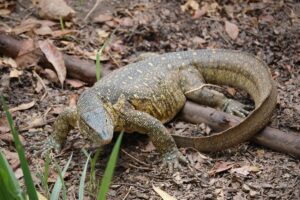
The Uganda Reptile Village is one of Uganda’s unique conservation and tourism sites dedicated to reptiles. Located in Entebbe, this center provides visitors with an opportunity to learn about various reptile species in a safe and controlled environment. Unlike traditional wildlife centers, Reptile Village focuses specifically on reptiles such as snakes, crocodiles, chameleons and tortoises. As a result, it plays an important role in changing negative attitudes toward these often misunderstood animals.
Moreover, the village combines conservation, education and tourism, making it an important destination for both learning and recreation. Visitors not only observe reptiles but also gain knowledge about their behavior, habitats, and importance in the ecosystem. Therefore, Reptile Village serves as a valuable center for promoting environmental awareness.
Historical Background
To begin with, the Uganda Reptile Village was founded by Yasin Kazibwe, a Ugandan reptile expert and conservationist. His main goal was to protect reptiles and change the negative attitudes many people held toward them. Initially, fear and misunderstanding led to the killing and mistreatment of many reptiles, which made conservation efforts very important.
Furthermore, it established the village in 2002 as a safe space for rescuing, rehabilitating, and educating the public about reptiles. Over time, the center expanded its activities to include conservation programs, research, and visitor education. As a result, it developed into a well-known institution in Uganda that promotes both wildlife protection and environmental awareness.
Reptile Conservation and Animal Care
Equally important, the village actively engages in reptile conservation and proper animal care. Staff members rescue reptiles from dangerous situations, such as illegal capture or human-wildlife conflict. Moreover, they provide safe habitats that mimic natural environments to ensure the well-being of the animals. In addition, the center runs breeding programs for endangered species to help increase their population. Consequently, these efforts contribute to the protection and survival of reptiles in Uganda.

Education and Public Awareness
Furthermore, education plays a key role at Reptile Village. The center organizes guided tours where visitors learn about different reptile species, their ecological roles and how to handle them safely. For example, visitors discover that snakes help control pests and maintain balance in ecosystems. In the same way, educational programs challenge common myths and fears about reptiles. As a result, the village promotes a better understanding and appreciation of these animals among the public.
Activities and Visitor Experience
In addition, the Reptile Village offers a variety of exciting activities for visitors. Tour guides lead guests through the facility and provide detailed explanations about each reptile species. Moreover, visitors can participate in supervised handling sessions, where they safely interact with some reptiles such as snakes and tortoises.
Furthermore, the peaceful environment, with greenery and well-maintained paths, allows visitors to relax and enjoy nature. Families, students and tourists often visit the village for both learning and recreation. Therefore, the center creates a memorable and engaging experience for all visitors.
Economic and Community Impact
Notably, Reptile Village contributes to the local economy and community development. It creates employment opportunities for guides, caretakers, and conservationists. Additionally, it attracts tourists, which helps generate income for the surrounding area. Furthermore, the center works with local communities to promote conservation and reduce fear of reptiles. As a result, it supports both environmental protection and sustainable development.
Conclusion
In conclusion, the Uganda Reptile Village plays a significant role in reptile conservation, education, and tourism in Uganda. Through its efforts to protect reptiles, educate the public, and provide engaging visitor experiences, it continues to make a positive impact. Ultimately, the village encourages people to respect and protect reptiles, recognizing their importance in maintaining ecological balance.


