DISCOVER THE BEAUTY OF MABAMBA SWAMP
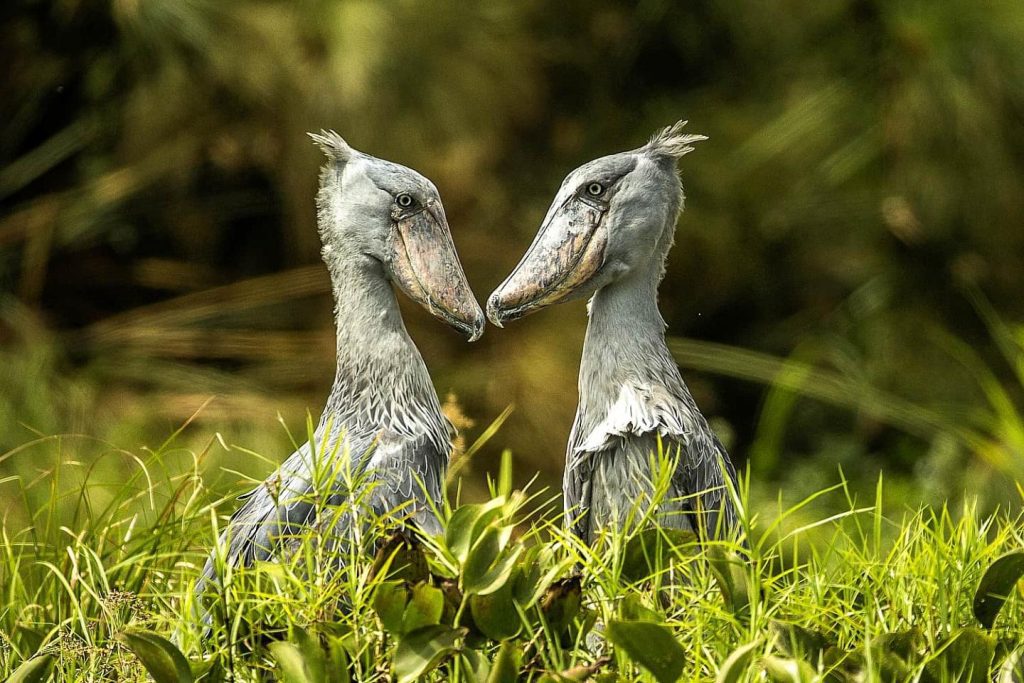
Situated along the northern shores of Lake Victoria, Mabamba Swamp is one of Uganda’s most outstanding wetlands. Just about an hour’s drive from Entebbe, this vast ecosystem stretches over approximately 2,424 hectares and is internationally recognized as a Ramsar Wetland. Notably, it provides a critical habitat for more than 300 bird species, including the famous shoebill stork one of Africa’s most sought-after birds.
In addition, the swamp supports rich biodiversity, featuring papyrus reeds, aquatic plants and various fish species. At the same time, it plays a key role in supporting local livelihoods, with many residents working as eco-guides. Overall, visiting Mabamba Swamp offers more than bird watching, it delivers a deeply immersive nature experience. For this reason, it remains a globally admired wetland known for its ecological importance and unique wildlife encounters.
ACTIVITIES CARRIED OUT AT MABAMBA SWAMP
Shoebill Tracking
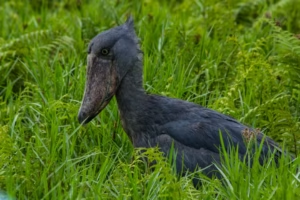
Among the many experiences available, shoebill tracking stands out as the highlight for most visitors. Early in the morning, guided by experienced locals, you glide through narrow papyrus channels in a canoe, quietly searching for this rare bird. With patience, you may spot a shoebill standing still as it hunts its prey. Meanwhile, guides share valuable knowledge about its behavior and conservation challenges. As a result, the experience becomes both exciting and educational. Ultimately, encountering the shoebill creates a powerful connection to Uganda’s natural beauty.
Bird Watching
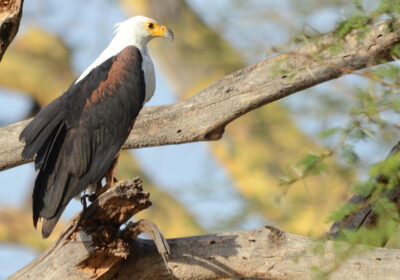
Bird watching at Mabamba Swamp goes far beyond simple observation. As you move through the wetland, each turn reveals a variety of species in their natural habitat. For instance, you may see egrets, malachite kingfishers, African jacanas, papyrus gonoleks, pied kingfishers etc. Additionally, the mix of open water, floating vegetation, and dense reeds creates diverse ecosystems that attract numerous birds. Because of this, bird watching here feels both peaceful and adventurous.

Canoe Rides
To fully appreciate the swamp, a guided canoe ride is essential. In the early hours, local guides paddle through winding channels, allowing close yet respectful interaction with wildlife. Moreover, the slow pace makes it easier to spot shy species like the shoebill. In the end, these rides provide not only great viewing opportunities but also a calming and scenic experience.

Community Visits
Visiting nearby communities adds a meaningful cultural dimension to your trip. During these visits, you can learn about traditional lifestyles, including fishing methods and craft-making. Such interactions highlight how local people depend on the swamp for survival. Consequently, visitors gain a deeper understanding of the link between conservation and community well-being.
Photography
Photography is another rewarding activity at Mabamba Swamp. With breathtaking scenery and abundant wildlife, the area offers excellent opportunities for capturing memorable moments. For example, early morning light reflecting on the water creates stunning visuals. Similarly, the contrast between papyrus reeds and open water enhances every shot. Therefore, photography here becomes both an artistic and memorable experience.

Butterfly Watching
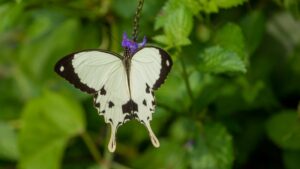
Beyond bird life, Mabamba Swamp is also home to a variety of colorful butterflies. As you explore the swamp’s edges, you may notice them fluttering among flowers and reeds. Their vibrant colors ranging from blues to yellows and oranges—add a unique charm to the environment. In essence, this activity encourages visitors to slow down and appreciate the smaller details of nature.
How to Get There
Traveling by boat is the most convenient and scenic way to reach Mabamba Swamp. Typically, visitors depart from Nakiwogo landing site in Entebbe using a motorized canoe or speedboat. The journey across Lake Victoria takes about 45 minutes. Upon arrival, you then transfer into a smaller canoe to navigate the swamp’s narrow channels. This combination of transport ensures both comfort and adventure.
Conclusion
Mabamba Swamp is far more than a birdwatcher’s destination. Not only does it provide a safe habitat for the shoebill and many other species, but it also supports local communities through eco-tourism and fishing. Equally important, its preservation helps protect both biodiversity and cultural heritage. Therefore, safeguarding Mabamba Swamp is essential for maintaining environmental balance and supporting future generations.