

EXPLORE THE UGANDA MUSEUM
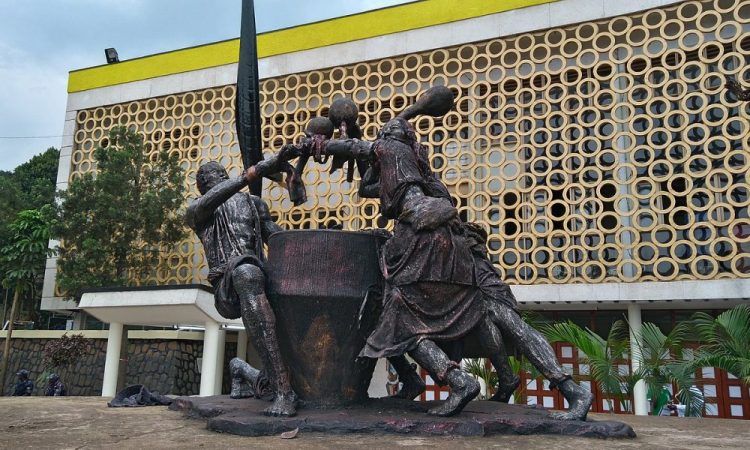
The Uganda Museum is the oldest and one of the most important cultural institutions in Uganda. Located in Kampala, it serves as a center for preserving and showcasing the country’s rich history, traditions and natural heritage. Moreover, the museum provides visitors with a deeper understanding of Uganda’s diverse cultures and historical development. It is not only a place for viewing artifacts but also a space where stories of the past are brought to life. Therefore, it plays a crucial role in educating both locals and tourists about Uganda’s identity.
Historical Background
To begin with, the Uganda Museum was established in 1908, making it the oldest museum in East Africa. Initially, it began as a small collection of ethnographic objects requested by the British colonial governor to document Uganda’s cultural heritage. Over time, the museum expanded significantly, incorporating a wide range of exhibits that reflect the country’s history, archaeology and natural environment.
After Uganda gained independence in 1962, the museum became an important institution for promoting national pride and cultural awareness. As a result, it has continued to grow and evolve, preserving valuable artifacts and historical records. In addition, it serves as a reminder of Uganda’s journey from its pre-colonial past through colonial rule to modern nationhood.
Cultural Exhibits and Collections
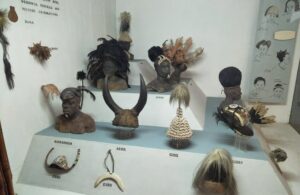
Equally important are the museum’s diverse cultural exhibits, which highlight the traditions of Uganda’s many ethnic groups. These displays include traditional clothing, tools, musical instruments, and household items used in daily life. In addition, musical instruments such as drums, xylophones, and harps are displayed, showcasing the importance of music in Ugandan culture.
Furthermore, the museum features life-sized models of traditional homesteads from different regions of Uganda. These reconstructions allow visitors to visualize how various communities lived, worked, and organized their societies. Therefore, the cultural section provides a comprehensive view of the country’s rich and diverse heritage.
Archaeological and Historical Significance
In addition to cultural exhibits, the Uganda Museum houses important archaeological and historical collections. These include ancient tools, fossils and artifacts that provide insight into early human life in the region. Moreover, the exhibits trace the development of societies in Uganda over thousands of years. They highlight key historical events and changes in technology, trade and governance. Furthermore, the museum also documents the impact of colonialism and the struggle for independence. As a result, visitors gain a broader understanding of Uganda’s historical transformation and resilience.

Educational Role
Another significant aspect of the Uganda Museum is its role in education. Schools frequently organize trips to the museum to help students learn about history and culture in an engaging and interactive way. Additionally, the museum offers guided tours, workshops and educational programs that cater to different age groups. These activities encourage curiosity and critical thinking among learners. In the same way, researchers and scholars use the museum as a valuable resource for studying Uganda’s past. Therefore, it serves as both an educational hub and a center for academic research.
Tourism and Community Impact
Today, the Uganda Museum is a popular destination for both local and international tourists. Visitors come to explore its exhibits, learn about Ugandan traditions and experience the country’s cultural richness. Moreover, the museum contributes to the local economy by attracting tourists and supporting related businesses such as guides, artisans and vendors. It also hosts cultural events, exhibitions and performances that bring communities together. Consequently, the museum plays an important role in promoting cultural tourism and strengthening community engagement.
Conclusion
In conclusion, the Uganda Museum stands as a vital institution dedicated to preserving and promoting Uganda’s heritage. Through its extensive collections, educational programs and cultural displays, it offers a meaningful connection to the country’s past. Ultimately, the museum not only safeguards history but also inspires future generations to appreciate and protect their cultural identity. Therefore, it remains an essential landmark for anyone seeking to understand Uganda’s rich and diverse story.