


THE MAJESTIC AFRICAN ELEPHANT
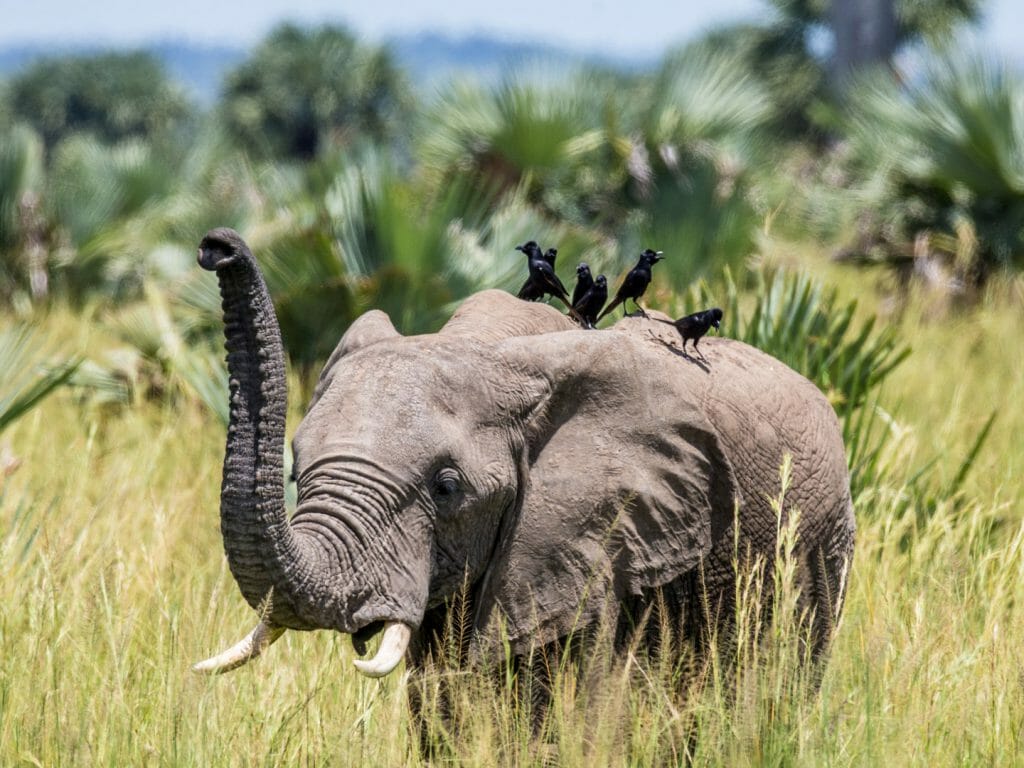
Elephants are among the most fascinating animals on Earth, and people admire them for their intelligence, size, and social complexity. For centuries, they have appeared in stories, traditions, and cultural symbols across many societies. In particular, the African elephant stands as the largest land animal, reaching heights of over 3 meters and weighing several tons.
Furthermore, people often describe elephants as “gentle giants” because, despite their enormous size, they usually remain calm and peaceful. They form deep emotional bonds and show behaviors that resemble human empathy and cooperation. As a result, they are not only biologically important but also emotionally captivating animals.
Physical Characteristics
To begin with, the African elephant has several unique physical features that make it easy to recognize. It has a massive body, a long trunk, large ears, and tusks. The trunk serves as one of its most important tools, allowing the elephant to breathe, smell, drink water, and pick up objects. Its strength and flexibility enable the elephant to perform many tasks.
In addition, the elephant’s tusks are long, curved teeth that continue to grow throughout its life. The elephant uses these tusks to dig, strip bark from trees, and defend itself against threats. However, these tusks also make elephants vulnerable to poaching.
Moreover, African elephants have much larger ears than other elephant species. These ears help regulate body temperature by releasing heat. Their thick, wrinkled skin protects them from the sun and insect bites. Consequently, these physical features help the elephant survive in its environment.

Habitat and Distribution
Next, the African elephant is widely found in different parts of Uganda, where it inhabits a variety of natural environments. In Uganda, elephants are commonly seen in protected areas such as Queen Elizabeth National Park, Murchison Falls National Park and Kidepo Valley National Park. However, they can also be found in other parts of Africa such as Kenya and Tanzania.
Furthermore, they prefer savannas, woodlands and areas near water sources like rivers and lakes. These environments provide enough food and space for movement. For example, in Murchison Falls National Park, elephants are often found grazing near the Nile River. In addition, elephants travel long distances within their habitats in search of food and water especially during dry seasons. However, human activities such as farming and settlement have reduced their natural habitats. Therefore, conservation efforts are important to protect these areas and ensure elephants continue to thrive.

Diet and Feeding Habits
The African elephant is an herbivore, meaning it feeds only on plants. It eats a wide variety of vegetation, including grasses, leaves, fruits, roots, and tree bark. An adult elephant can consume up to 150 kilograms of food in a single day. In addition, elephants drink large amounts of water and can consume up to 100 liters daily.
They use their trunks to draw water and pour it into their mouths easily. Consequently, elephants play a vital role in maintaining the environment. By feeding on plants, they prevent overgrowth and create space for other animals. Moreover, they spread seeds through their dung, which supports plant growth. Therefore, they help maintain ecological balance.
Social Behavior
In addition, African elephants are highly social animals that live in family groups called herds. A matriarch, usually the oldest and most experienced female, leads each herd. She guides the group and makes important decisions.
Moreover, elephants form strong relationships within their groups. They protect one another, especially the young. Female elephants usually remain with the herd for life, while males leave when they reach adulthood.
Interestingly, elephants communicate in several ways, including sounds, touch, and body movements. They also use low-frequency vibrations that travel through the ground. As a result, they communicate over long distances and stay connected with other elephants.

Intelligence and Emotions
Not only are African elephants physically strong, but they are also highly intelligent. They have large brains and can solve problems, remember locations and learn from experience. For example, they can remember water sources and travel back to them even after many years.
Moreover, elephants show a wide range of emotions. They express happiness, sadness and empathy. They are known to comfort each other and even show signs of mourning when a member of their group dies. Therefore, their intelligence and emotional depth make them one of the most unique animals in the wild. Scientists continue to study them to better understand their behavior.

Conclusion
The African elephant is a remarkable animal that plays an important role in Uganda’s environment and wildlife. From its powerful body and unique features to its intelligence and social nature, it is truly a fascinating creature.
Moreover, elephants help maintain the balance of nature, making them essential to their ecosystems. Without them, many habitats would be affected. Therefore, it is important to protect these gentle giants and their habitats. By supporting conservation efforts, we can ensure that future generations in Uganda and beyond will continue to see and appreciate these incredible animals.